
Jigs for bluefish
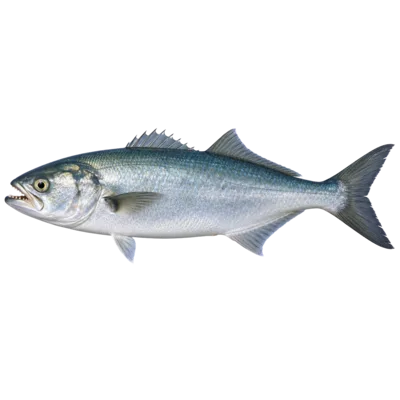
Pomatomus saltatrix
Bluefish (Pomatomus saltatrix) migrate with the seasons between the Black Sea, the Bosphorus, the Sea of Marmara and the Aegean[2][5]. Turkish anglers call them by different names as they grow; a study off Samsun split the catch into the çinekop, sarıkanat and lüfer size groups[3].
JIGTO for bluefish
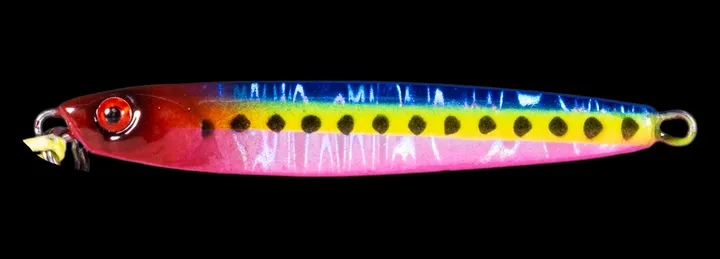 TIDE 1010 g · 1–15 m
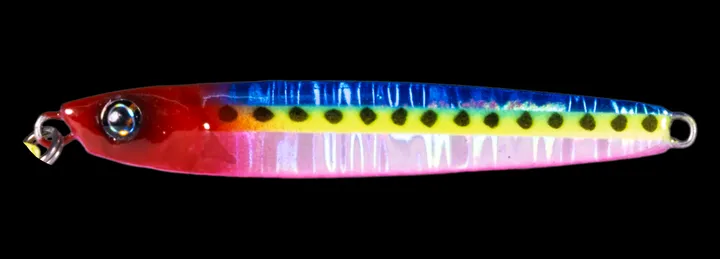 TIDE 1212 g · 1–20 m
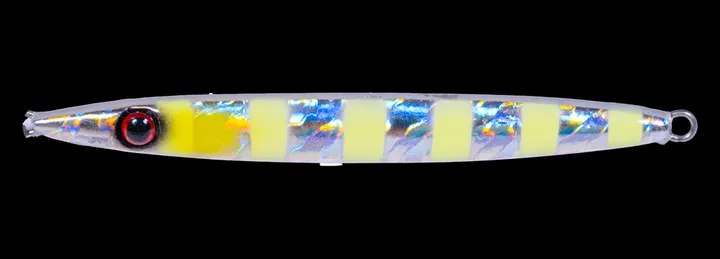 RAZOR 4040 g · 5–40 m
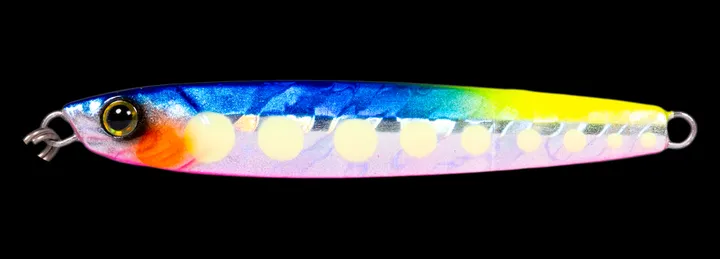 TIDE 4040 g · 5–35 m
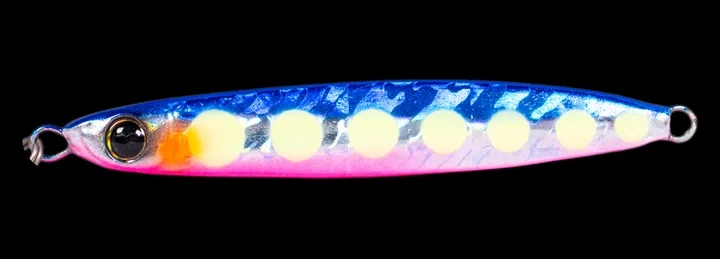 NOVA 4545 g · 5–40 m
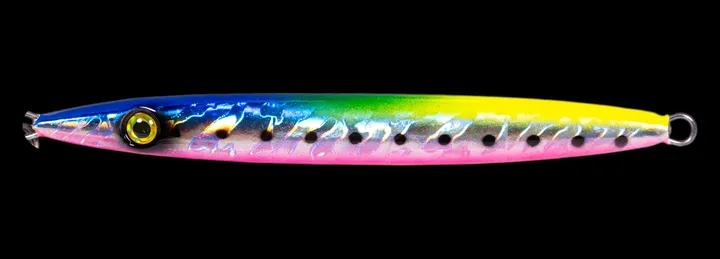 RAZOR 6060 g · 10–60 m
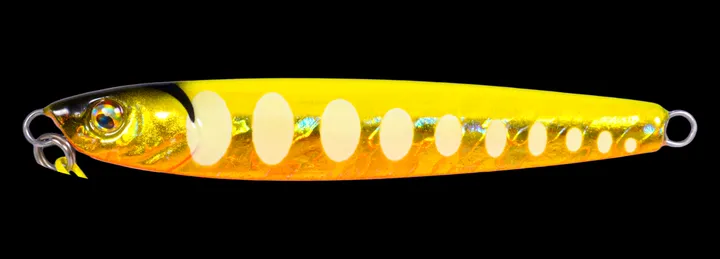 TIDE 6060 g · 10–50 m
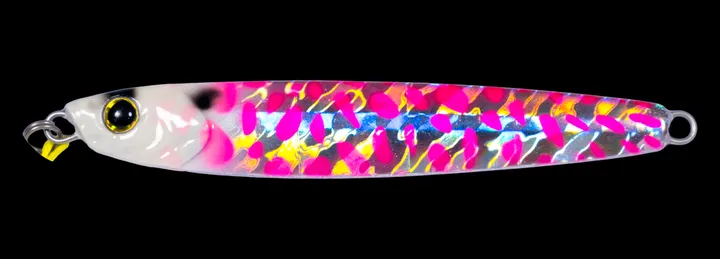 TIDE 8080 g · 15–70 m
This match comes from JIGTO’s product data; it is not a weight measured in the sources.
Season chart
| Region | Jan | Feb | Mar | Apr | May | Jun | Jul | Aug | Sep | Oct | Nov | Dec |
|---|---|---|---|---|---|---|---|---|---|---|---|---|
| Black Sea | active periodA | active periodA | no record– | no record– | spawning periodS | spawning periodS | spawning periodS | spawning periodS | migration periodM | migration periodM | migration periodM | active periodA |
| Bosphorus | no record– | no record– | no record– | no record– | spawning periodS | spawning periodS | no record– | no record– | migration periodM | migration periodM | migration periodM | migration periodM |
| Sea of Marmara | active periodA | active periodA | active periodA | migration periodM | spawning periodS | spawning periodS | spawning periodS | spawning periodS | migration periodM | migration periodM | migration periodM | active periodA |
| Dardanelles | active periodA | active periodA | no record– | migration periodM | spawning periodS | spawning periodS | no record– | no record– | migration periodM | migration periodM | migration periodM | active periodA |
| Aegean Sea | active periodA | active periodA | no record– | spawning periodS | spawning periodS | spawning periodS | no record– | no record– | active periodA | active periodA | active periodA | active periodA |
| Mediterranean | no record– | no record– | no record– | no record– | no record– | no record– | no record– | no record– | no record– | spawning periodS | no record– | no record– |
Mmigration periodSspawning periodAactive period–no record
The chart shows whether the sources hold a record for that region and month; it does not show the chance of a catch. An empty cell does not mean the fish is absent, only that there is no sourced record.
Records
Black Sea · May–June · spawning period
Bluefish are reported to start moving into the Black Sea in May; a study with Black Sea and Sea of Marmara samples found that spawning also starts in May. [1][2]
Black Sea · July–August · spawning period
A study with Black Sea and Sea of Marmara samples found that bluefish spawn from May to August; on the Ukrainian and Bulgarian coasts spawning is reported to start at the end of July. [1]
Black Sea · September · migration period
A study, citing other research, reports bluefish on the Black Sea coast in September. [2][3]
Black Sea · October–November · migration period
Studies on the Samsun coast found bluefish near the shore during the October–November migration. [3][4]
Black Sea · December–February · active period
In winter, some bluefish stay in the Black Sea on the Samsun coast and between İğneada and Kefken. [5][6]
Bosphorus · May–June · spawning period
Bluefish start returning from the Bosphorus to the Black Sea in May; a study with Black Sea and Sea of Marmara samples found that spawning also starts in May. [1][2][5][7][8]
Bosphorus · September–November · migration period
During the autumn migration, bluefish pass through the Bosphorus in September–November. [2][5][7][9]
Bosphorus · December · migration period
The autumn bluefish migration through the Bosphorus is reported to last usually until the end of December. [2][5][7]
Sea of Marmara · February–March · active period
A study in the southern Sea of Marmara also found bluefish in February–March; about half of the fish had fed in February, few in March. [10]
Sea of Marmara · April · migration period
According to a survey of fishers, bluefish are in the Sea of Marmara in April during their spring return. [5]
Sea of Marmara · May–June · spawning period
In May and June, the spring bluefish migration and the spawning period fall in the same months in the Sea of Marmara. [5][8][11]
Sea of Marmara · July–August · spawning period
In the Sea of Marmara, bluefish spawning peaks in July and lasts until August. [11]
Sea of Marmara · September–November · migration period
According to a survey, September–November is the main bluefish migration period in the Sea of Marmara; a study in the southern Sea of Marmara reports that feeding increases towards October. [5][8][10]
Sea of Marmara · December–January · active period
Bluefish are still in the Sea of Marmara in December; a study in the southern Sea of Marmara also found them in January. [2][5]
Dardanelles · April · migration period
According to studies with fishers, bluefish pass the Dardanelles in April during the spring migration. [5][8]
Dardanelles · May–June · spawning period
A study with Black Sea and Sea of Marmara samples found that bluefish spawning starts in May; in this period they are also in the Dardanelles. [1][5][8]
Dardanelles · September–November · migration period
The autumn bluefish migration passes the Dardanelles in September–November; according to a study with fishers, these are the main migration months. [5][8][12]
Dardanelles · December–February · active period
In the Dardanelles, bluefish are still present in the winter months after the autumn migration. [12][13]
Aegean Sea · April–June · spawning period
A study reports bluefish eggs found in the Bay of İzmir in April–June; there is also a record of a bluefish caught on a line in the bay in April. [14][15][16]
Aegean Sea · September–November · active period
According to a study on the Gallipoli Peninsula, September–November is the autumn bluefish migration period. [2][5][12]
Aegean Sea · December–February · active period
A study in the Gulf of Güllük and off Didim found that bluefish are also caught in December–February in commercial nets set for other species. [17]
Mediterranean · October · spawning period
A study on the Yumurtalık coast in the Gulf of İskenderun found newly hatched bluefish larvae in October. [15]
Unverified field information
The records below are not confirmed by a scientific measurement; they come from an angling guide or a general species description. They are kept apart from the chart and the record count above.
Unverified Bosphorus · February–March · active period
In mild winters some bluefish are reported to stay in the Bosphorus; small numbers may be present at the end of winter.
- İBB. İstanbul olta balıkçılığı rehberi. Study area: Marmara / Bosphorus. (institutional guide) https://tarim.ibb.istanbul/img/1015194102017__5808679461a.pdf
- Polat H, Ergün H (2008). Karadeniz'in Pelajik Balıkları. Study area: Black Sea / Bosphorus / Marmara / Aegean. (institutional guide) https://dergipark.org.tr/en/download/article-file/204324
Light and colour
- Glow + UV Charges in daylight or torchlight and glows in the dark. Reacts to UV in sunlight.
- UV Lights up under UV and in sunlight underwater. Does not glow in the dark.
- Natural Classic colour and holographic finish, for clear water and bright days.
None of our sources shows that a jig catches more fish because of its colour, glow or UV. Choose the light class by the light in the water and your own preference.
Closed seasons and minimum sizes
In Türkiye, recreational fishing rules are set by the Ministry of Agriculture and Forestry in its Notification No. 6/2 on recreational fishing. Rules change; check the current version before you fish. Outside Türkiye, follow your local rules. Ministry page on fishing (Turkish) ↗
Frequently asked questions
When is bluefish season?
In the sourced records, the autumn bluefish migration passes the Bosphorus, the Sea of Marmara and the Dardanelles in September–November[9][8][12]; the Bosphorus run is reported to last usually until the end of December[2]. On the Black Sea coast off Samsun, an October–November migration was recorded[3][4]. In the Sea of Marmara, spawning runs from May to August and peaks in July[11]. These records do not show the chance of a catch; they vary by region and year.
What jig weight for bluefish?
In JIGTO’s product data, bluefish is a target species of these series: TIDE 10, TIDE 12, RAZOR 40, TIDE 40, NOVA 45, RAZOR 60, TIDE 60, TIDE 80. Weights run from 10 to 80 g, with a suggested depth of 1–70 m. The deeper the water and the stronger the current, the heavier the series. This match is JIGTO’s product data; it is not a weight measured in the sources.
Are çinekop, sarıkanat and lüfer the same fish?
Yes. All three are Pomatomus saltatrix; the Turkish name changes with the size of the fish[3]. For minimum sizes, see the official rules linked below.
References
- Kalaycı F, Yeşilçiçek T, Şahin C (2019). Lüfer Balığı (Pomatomus saltatrix L., 1766)'nın Av Kompozisyonu, Gonadosomatik İndeks ve Kondisyon Faktörü. Study area: Black Sea / Bosphorus / Dardanelles. https://doi.org/10.35229/jaes.543111
- Polat H, Ergün H (2008). Karadeniz'in Pelajik Balıkları. Study area: Black Sea / Bosphorus / Marmara / Aegean. (institutional guide) https://dergipark.org.tr/en/download/article-file/204324
- Özdemir S, Erdem E (2018). Monitoring of weekly catch per unit effort (CPUE) and some biological features of bluefish (Pomatomus saltatrix Linnaeus, 1766) captured from southern Black Sea coasts of Turkey. Study area: Black Sea / Marmara. https://doi.org/10.33714/masteb.469774
- Özdemir S, Erdem Y, Birinci Özdemir Z, Erdem E (2009). Karadenizde Dip Trolü ile Ekim ve Kasım Aylarında Avlanan Lüfer (Pomatomus saltatrix, L.) Balığının Av Verimi ve Boy Kompozisyonunun Karşılaştırılması. Study area: Black Sea. https://acikerisim.sinop.edu.tr/server/api/core/bitstreams/0dcb2be…
- Akyol O, Ceyhan T, Ünal V (2006). Marmara Bölgesi Su Ürünleri Kooperatif ve Derneklerinin Lüfer Balıkçılığındaki Rolleri. Study area: Black Sea / Bosphorus / Marmara / Dardanelles / Aegean. https://dergipark.org.tr/tr/download/article-file/57644
- Samsun S (2017). Orta Karadeniz'de Avlanan Lüfer (Pomatamus saltatrix L., 1766) Balığının Et Verimi ve Kimyasal Kompozisyonu. Study area: Black Sea. https://dergipark.org.tr/tr/download/article-file/359747
- İBB. İstanbul olta balıkçılığı rehberi. Study area: Marmara / Bosphorus. (institutional guide) https://tarim.ibb.istanbul/img/1015194102017__5808679461a.pdf
- Ceyhan T, Akyol O, Ayaz A (2005). Marmara Bölgesi'nde Lüfer (Pomatomus saltatrix L., 1766) Avcılığında Kullanılan Alamana Ağları. Study area: Bosphorus / Marmara / Dardanelles. https://dergipark.org.tr/tr/download/article-file/57850
- Yıldız T, Karakulak FS (2010). İstanbul Kıyı Balıkçılığında Kullanılan Pelajik Uzatma Ağlarının Teknik Özellikleri. Study area: Bosphorus. https://dergipark.org.tr/tr/download/article-file/57390
- Alıçlı TZ (2024). Marmara Ereğlisi'nin (Tekirdağ) balıkçılık potansiyeli ve küçük ölçekli balıkçılık faaliyetinde kullanılan av araçları. Study area: Marmara. https://doi.org/10.3153/AR24010
- Bal H, Yanık T, Türker D (2018). Marmara Denizi'ndeki Lüfer balığının Pomatomus saltatrix (Linnaeus, 1766) büyüme ve üreme özellikleri. Study area: Marmara. https://doi.org/10.12714/egejfas.2018.35.1.15
- Öztekin A, Ayaz A, Özekinci U, Kumova CA (2018). Hook Selectivity for Bluefish (Pomatomus saltatrix Linneaus, 1766) in Gallipoli Peninsula and Çanakkale Strait (Northern Aegean Sea, Turkey). Study area: Dardanelles / Aegean. https://doi.org/10.15832/ankutbd.446380
- Acarlı D, Ayaz A, Özekinci U, Öztekin A (2013). Gillnet Selectivity for Bluefish (Pomatamus saltatrix, L. Study area: Dardanelles. https://doi.org/10.4194/1303-2712-v13_2_17
- Çoker T, Mater S (2006). İzmir Körfezi İhtiyoplanktonu (1974-2005) Türleri. Study area: Aegean. (review) https://dergipark.org.tr/en/download/article-file/57662
- Mavruk S (2009). Yumurtalık Kıyısal Zonu (İskenderun Körfezi) İhtiyoplanktonunda Mevsimsel Değişimler. Study area: Aegean / Mediterranean. (thesis)
- Bal H, Yanık T, Türker D (2021). Assessment of morphological variation between stocks of bluefish, Pomatomus saltatrix, in the Aegean Sea, Black Sea, and Sea of Marmara. Study area: Aegean. https://doi.org/10.3897/aiep.51.63319
- Akyol O, Ceyhan T, Düzbastılar FO, Sağlam C (2020). Ege Denizi Kıyılarında Yabancı-İstilacı Balık Türleri ve Balıkçılığa Etkileri. Study area: Aegean. https://saum.ege.edu.tr/files/saum/icerik/2017SAUM001.pdf
This page is based on 22 sourced season records and 17 sources. The season records are the approved data the JIGTO Jig Selector also uses. 1 unverified records are listed separately and are not included in this count.